English
 slovenščina
 русский
  O'zbek
 íslenska
 Latviešu
 Srbija jezik (latinica)
 România limbi
 Português
 हिंदी
हिंदी Italiano
 한국어
한국어


As electric bicycles (e-bikes) continue to gain popularity worldwide, understanding the different types of batteries available becomes essential for potential buyers. Among the most commonly discussed options are 60V and 48V batteries. Each has its advantages and disadvantages, and choosing the right one can significantly impact your e-bike's performance, range, and overall riding experience. This article will delve into the key differences between 60V and 48V e-bike batteries, helping you make an informed decision.
Understanding E-Bike Batteries
Before diving into the comparison, it's important to understand the basics of e-bike batteries. An e-bike battery stores electrical energy, which powers the motor that propels the bike. The voltage of a battery is a crucial factor in determining its performance. Higher voltage typically translates to more power, which can affect acceleration, top speed, and the ability to tackle steep inclines.
Voltage is a measure of the electrical potential difference between two points. In the context of e-bike batteries, it reflects the energy provided to the motor. Higher voltage batteries can deliver more power, allowing for improved performance. However, this increased power can also lead to higher energy consumption, which is where battery capacity (measured in amp-hours, or Ah) becomes relevant.
Battery capacity determines how long an e-bike can run before needing to be recharged. It's essential to consider both voltage and capacity when choosing a battery. For instance, a 60V battery with a lower capacity may not provide as much range as a 48V battery with a higher capacity.
60V E-Bike Batteries: Advantages and Disadvantages
Advantages of 60V Batteries
- Higher Power Output: One of the main advantages of a 60V battery is its ability to deliver a higher power output. This means faster acceleration and the capability to handle steep hills with ease.
- Improved Performance: Riders who prioritize speed and performance, such as those using their e-bikes for racing or off-road adventures, often prefer 60V batteries due to their enhanced capabilities.
- Extended Range: Although a 60V battery may have a similar or slightly lower capacity than a 48V battery, the increased voltage can result in a longer range under certain conditions, especially when combined with efficient motor designs.
- Compatibility with High-Powered Motors: Many high-performance e-bikes utilize 60V systems to maximize motor efficiency, making these batteries suitable for enthusiasts and professionals alike.
Disadvantages of 60V Batteries
- Weight: 60V batteries are often heavier than their 48V counterparts, which can affect the overall weight of the e-bike and make it less maneuverable.
- Cost: Generally, 60V batteries are more expensive than 48V batteries. This increased cost can be a barrier for budget-conscious consumers.
- Compatibility Issues: Not all e-bike systems are designed to handle 60V batteries. Riders must ensure that their motor and controller are compatible before making a purchase.
48V E-Bike Batteries: Advantages and Disadvantages
Advantages of 48V Batteries
Lightweight: 48V batteries tend to be lighter, making them easier to handle and transport. This can be a significant advantage for urban riders who may need to carry their bikes.
Cost-Effective: Generally, 48V batteries are more affordable, making them an attractive option for budget-conscious consumers.
Good Performance for Most Riders: For the average commuter, a 48V battery provides sufficient power for everyday riding, including flat terrains and moderate inclines.
Wider Compatibility: Many e-bikes are designed to use 48V systems, making it easier to find compatible components.
Disadvantages of 48V Batteries
Lower Power Output: While still capable, 48V batteries provide less power than 60V systems, which may result in slower acceleration and a lower top speed.
Limited Range on High-Powered Motors: When paired with high-powered motors, 48V batteries may struggle to provide the same range and performance as 60V systems.
Not Ideal for High-Performance Applications: Riders seeking high performance in challenging conditions may find 48V batteries insufficient for their needs.
Performance Comparison: 60V vs. 48V
When choosing between 60V and 48V e-bike batteries, it's essential to consider performance factors such as acceleration, range, and suitability for different riding conditions.
A 60V battery will generally offer superior acceleration compared to a 48V battery. This is particularly noticeable in scenarios where rapid starts or steep inclines are involved. Riders who prioritize speed and quick response times will benefit from the added power of a 60V battery.
Range is a crucial consideration for e-bike users. While the voltage plays a significant role, battery capacity (Ah) must also be factored in. A 60V battery may provide a longer range under certain conditions, but a well-designed 48V battery with a higher capacity can offer comparable performance. Ultimately, the range will depend on the specific e-bike model, rider weight, terrain, and riding style.
Urban Commuting: For typical city riding and commuting, a 48V battery is often sufficient. It provides adequate power and range for flat terrains and moderate distances.
Off-Road and Performance Riding: For those who engage in off-road adventures or seek high performance, a 60V battery is preferable. Its higher voltage allows for better handling of challenging terrains and steep hills.
As the e-bike market continues to expand, consumer preferences for 60V and 48V batteries are evolving. Many riders prioritize performance, leading to increased demand for higher voltage options. However, budget constraints and the need for lightweight solutions ensure that 48V batteries remain popular among everyday users.
Recent trends indicate a growing interest in high-powered e-bikes equipped with 60V batteries. Manufacturers are responding to this demand by developing lightweight 60V systems that offer competitive performance without compromising portability.
Conversely, 48V batteries still hold a significant market share, particularly among commuters and casual riders. Their affordability and compatibility with a wide range of e-bikes make them a practical choice for many consumers.
Choosing between a 60V and a 48V e-bike battery ultimately depends on your specific needs and riding preferences. If you prioritize speed, performance, and the ability to tackle steep hills, a 60V battery may be the best choice for you. However, if you're looking for a lightweight, cost-effective solution for urban commuting, a 48V battery is likely to suffice.
When making your decision, consider the type of riding you plan to do, your budget, and the compatibility of your e-bike components. By carefully weighing these factors, you can choose the battery that best suits your riding style and enhances your overall e-bike experience.
GEB, a brand under General Electronics Technology Co., LTD, is a leading manufacturer of electric bicycle lithium batteries, established in 2009 in Shenzhen. With over 180 dedicated employees and annual sales exceeding 30 million USD, GEB has become a key player in the industry. Our innovative plastic casing technology enhances battery safety and low-temperature charging performance. Committed to the research and development of high-end safe lithium batteries, we specialize in lithium iron phosphate technology, ensuring our products have never caused safety incidents. Choosing GEB means choosing a trusted, safe lithium battery solution recognized by customers worldwide.
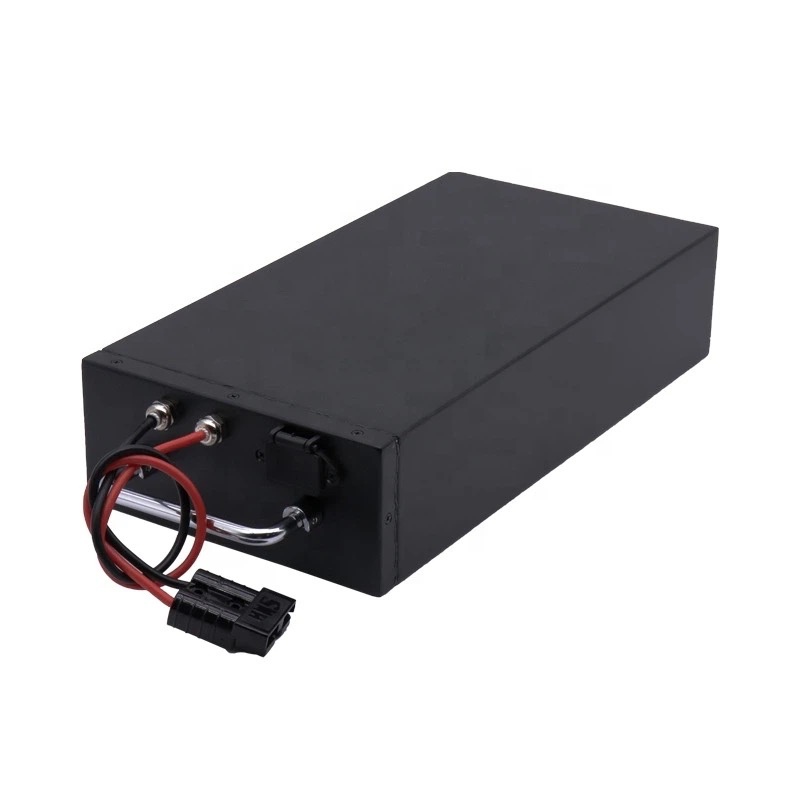
Introducing GEB's top-notch 60V 20Ah lithium battery for electric scooter. Made in China, these Li-Ion powerhouses guarantee peak performance and reliability. With CE and RoHs certification, they offer a standard charge current of 13-20A, ensuring a cycle life of 1000 times. Designed for e-bikes and e-scooters, this 7KG battery is a game-changer.
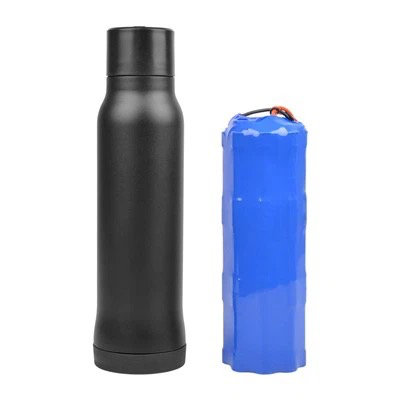
The GEB-SH e-bike battery offers reliable performance with a robust 48V nominal voltage and 7Ah capacity, ensuring you can tackle slopes and extend your range. Its sleek, lightweight design allows for easy installation and handling. Built with high-quality materials and advanced battery management systems (BMS), it guarantees long-lasting power. Certified to meet strict safety standards (CE, ROHS, MSDS, UN38.3), you can ride with confidence, focusing on the journey rather than the battery.